
The psychology behind risk-taking in gambling behavior
The Nature of Risk-Taking in Gambling
Risk-taking is an intrinsic part of gambling that captivates many individuals. This behavior is often driven by the thrill of potential reward, which can overshadow the inherent dangers. Gamblers frequently experience a rush of adrenaline as they place bets, a feeling that can become addictive. This emotional high often leads to a cycle where individuals continuously seek that exhilarating moment of winning, despite the financial risks involved. For instance, players exploring platforms like https://onceuponabingocasino.uk/bonus/ can find generous bonuses that heighten their gaming experience.

Psychological theories explain this tendency, linking risk-taking behaviors to concepts like sensation seeking. People who score high on sensation-seeking scales are more inclined to engage in gambling due to their desire for novel and stimulating experiences. This relationship highlights the complex interplay between personality traits and gambling, suggesting that certain individuals are predisposed to take risks in various areas of their lives, including gambling.
Moreover, the role of cognitive biases cannot be underestimated. Gamblers often fall prey to the gambler’s fallacy, believing that previous outcomes influence future bets. This flawed reasoning can fuel a continuous cycle of risk-taking, where individuals convince themselves that luck is on their side. Such biases create a fertile ground for compulsive gambling behavior, as players become entrenched in their beliefs and disregard the statistical realities of their chances.
The Psychological Rewards of Gambling
The allure of gambling is not solely based on monetary gains; it also stems from psychological rewards. Winning can trigger the brain’s reward system, releasing dopamine, a neurotransmitter associated with pleasure and satisfaction. This biological response reinforces the behavior, compelling individuals to gamble more often in pursuit of that high. As a result, the act of betting becomes a source of gratification, regardless of the outcome.
Additionally, social interaction plays a significant role in the gambling experience. Many people find camaraderie in gaming environments, whether in physical casinos or online platforms. This sense of belonging can amplify the enjoyment of taking risks, as individuals share their experiences and celebrate wins together. These social bonds can reinforce gambling behaviors, creating a shared culture that normalizes and even encourages risk-taking.
The excitement of risk-taking is often magnified by various psychological factors, such as optimism bias. Gamblers tend to overestimate their chances of winning, which can lead to reckless betting behavior. This skewed perception creates a dangerous environment where individuals feel invincible, often ignoring the potential for substantial losses. Such optimistic beliefs perpetuate the cycle of risk-taking, as players persist in their gambling endeavors with inflated expectations.
The Influence of Environment and Culture
Environmental factors significantly impact gambling behaviors, shaping how individuals perceive and engage in risk-taking. Cultural attitudes toward gambling can influence whether it is seen as a recreational activity or a vice. In societies that celebrate gambling, individuals may be more likely to take risks, viewing it as a socially acceptable form of entertainment. This cultural lens can normalize excessive gambling and encourage risk-taking as part of leisure activities.
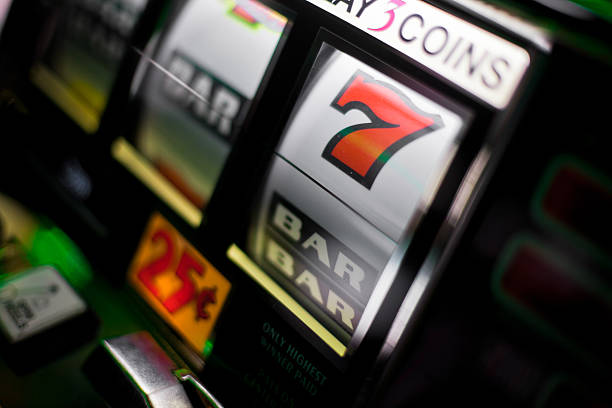
Furthermore, the design of gambling venues plays a crucial role in fostering risk-taking behaviors. Casinos are often engineered to create an immersive experience, filled with bright lights, sounds, and the constant possibility of winning. These elements are meticulously crafted to heighten excitement and encourage prolonged engagement. As individuals navigate through these stimulating environments, their ability to make rational decisions can be compromised, leading to higher risk-taking.
Online gambling platforms have also changed the landscape of risk-taking behaviors. With the convenience of accessing games from home, individuals may gamble more frequently and in larger amounts than they would in a traditional casino. The anonymity of online gambling can lead to a sense of detachment from the financial stakes, making it easier for people to take risks without fully grasping the consequences. This shift has significant implications for understanding gambling behavior in the digital age.
Understanding Compulsive Gambling and Its Roots
Compulsive gambling, also known as gambling disorder, represents a severe form of risk-taking behavior that can devastate lives. This condition is often rooted in psychological factors, including underlying mental health issues such as anxiety, depression, or substance abuse. Individuals may use gambling as a coping mechanism to escape from negative emotions, further exacerbating their risk-taking tendencies.
The progression of compulsive gambling typically involves escalating bets and an increased tolerance to risk. As individuals continue to gamble, the initial excitement may diminish, leading them to chase bigger wins to recapture that initial thrill. This cycle can result in significant financial losses and strained relationships, as the compulsive gambler prioritizes betting over essential life obligations.
Intervention strategies for compulsive gamblers often include therapy, support groups, and behavioral treatments. Understanding the psychological underpinnings of their behavior is crucial for recovery. Many treatment programs aim to equip individuals with coping mechanisms to manage cravings and recognize triggers that lead to high-risk situations. By addressing the root causes of compulsive gambling, individuals can begin to rebuild their lives and engage in healthier behaviors.
Exploring Gaming Platforms: A Case Study
Platforms like Once Upon a Bingo Casino exemplify the dynamic landscape of online gaming, catering to diverse player preferences while highlighting the psychology of risk-taking. Offering a variety of games, the platform attracts users with enticing promotions and bonuses, encouraging exploration. The thrill of trying new games can enhance the experience, making players more willing to take risks in hopes of striking it rich.
The emphasis on player satisfaction is evident in Once Upon a Bingo Casino’s approach, featuring generous welcome bonuses and no-deposit options. Such incentives lower the financial barrier for new players, allowing them to experience risk-taking without immediate consequences. This tactic can lead to an increased frequency of gambling, as users become accustomed to engaging in riskier behavior with minimal commitment.
Moreover, the casino’s ongoing promotions and rewards for loyal players create a continuous loop of engagement. Cashback and reload bonuses serve to reinforce gambling habits, encouraging players to view risk-taking as an integral part of their gaming journey. Understanding these dynamics is essential for both operators and players, as they navigate the intricacies of gambling behavior in the modern world.